Send for
Signature
Easily send it out to recipients for their signatures.


Streamline your document management with FlexiSign, a digital signature platform that's secure, efficient, and easy to use. FlexiSign, the world's first privacy and security-focused e-signature tool, simplifies how you sign, send, and manage documents, making your workflow smoother and more productive.
Easily send it out to recipients for their signatures.
A significant portion of the 2013 discourse on cupping focuses on its mechanical and physiological benefits. Unlike massage, which applies downward pressure to muscles, cupping uses negative pressure to pull tissue upward. This unique action increases blood circulation to the treated area, relaxes tight fascia, and stimulates the parasympathetic nervous system. Chirali’s work specifically categorizes various techniques—such as "flash cupping" for respiratory issues or "moving cupping" for large muscle groups—providing a clinical framework for what was once considered a purely intuitive practice.
The global profile of cupping rose dramatically following its high-visibility use by elite athletes, yet the 2013 literature emphasizes that its applications extend far beyond sports recovery. It is frequently employed to treat common colds, asthma, digestive disorders, and even emotional stress. However, the practice is not without its requirements for caution. The distinctive circular marks left behind, often misinterpreted as bruises, are actually the result of capillary expansion and the release of metabolic waste. Modern practitioners must balance these traditional markers with professional safety standards to ensure the therapy is both effective and culturally understood.
Traditional Chinese Medicine Cupping Therapy ©2013 likely refers to the second edition of the seminal textbook by Ilkay Zihni Chirali. This comprehensive work serves as a cornerstone for practitioners, bridging ancient Eastern traditions with modern clinical applications. An essay on this subject explores the evolution of cupping from a folk remedy to a globally recognized therapeutic modality.
The core philosophy of Traditional Chinese Medicine (TCM) centers on the flow of Qi (energy) and Blood. Cupping therapy utilizes localized suction—traditionally created by heat in glass cups or modern mechanical pumps—to create a vacuum on the skin. This suction serves to "vent" the body, pulling stagnant blood and toxins to the surface. By resolving "Blood Stasis" and "Dampness," cupping aims to restore the harmonious flow of energy, thereby addressing both localized pain and systemic imbalances.
Ultimately, the legacy of Traditional Chinese Medicine Cupping Therapy in the modern era is one of integration. By documenting the practice with clinical precision, the 2013 era of scholarship helped transition cupping from the fringes of alternative medicine into the mainstream of integrative healthcare. It remains a powerful testament to the longevity of TCM, proving that ancient techniques can offer profound relief for the ailments of the 21st century.
A significant portion of the 2013 discourse on cupping focuses on its mechanical and physiological benefits. Unlike massage, which applies downward pressure to muscles, cupping uses negative pressure to pull tissue upward. This unique action increases blood circulation to the treated area, relaxes tight fascia, and stimulates the parasympathetic nervous system. Chirali’s work specifically categorizes various techniques—such as "flash cupping" for respiratory issues or "moving cupping" for large muscle groups—providing a clinical framework for what was once considered a purely intuitive practice.
The global profile of cupping rose dramatically following its high-visibility use by elite athletes, yet the 2013 literature emphasizes that its applications extend far beyond sports recovery. It is frequently employed to treat common colds, asthma, digestive disorders, and even emotional stress. However, the practice is not without its requirements for caution. The distinctive circular marks left behind, often misinterpreted as bruises, are actually the result of capillary expansion and the release of metabolic waste. Modern practitioners must balance these traditional markers with professional safety standards to ensure the therapy is both effective and culturally understood.
Traditional Chinese Medicine Cupping Therapy ©2013 likely refers to the second edition of the seminal textbook by Ilkay Zihni Chirali. This comprehensive work serves as a cornerstone for practitioners, bridging ancient Eastern traditions with modern clinical applications. An essay on this subject explores the evolution of cupping from a folk remedy to a globally recognized therapeutic modality.
The core philosophy of Traditional Chinese Medicine (TCM) centers on the flow of Qi (energy) and Blood. Cupping therapy utilizes localized suction—traditionally created by heat in glass cups or modern mechanical pumps—to create a vacuum on the skin. This suction serves to "vent" the body, pulling stagnant blood and toxins to the surface. By resolving "Blood Stasis" and "Dampness," cupping aims to restore the harmonious flow of energy, thereby addressing both localized pain and systemic imbalances.
Ultimately, the legacy of Traditional Chinese Medicine Cupping Therapy in the modern era is one of integration. By documenting the practice with clinical precision, the 2013 era of scholarship helped transition cupping from the fringes of alternative medicine into the mainstream of integrative healthcare. It remains a powerful testament to the longevity of TCM, proving that ancient techniques can offer profound relief for the ailments of the 21st century.
FlexiSign's e Signatures revolutionize document handling across various applications:

Efficiently sign sales contracts electronically, saving time and effort.

Securely sign NDAs online, ensuring confidentiality and quick access. Traditional Chinese Medicine Cupping Therapy В©2013

Simplify and expedite signing invoices and vendor forms electronically.

Securely handle HIPAA forms with an electronic signature, ensuring compliance. A significant portion of the 2013 discourse on

Maintain and sign internal compliance documents easily with e-signatures.

Streamline onboarding by signing new hire documents electronically. However, the practice is not without its requirements

Easily sign educational documents like IEPs, ARDs, and 504 Plans.

Quickly and securely sign consent forms electronically for better workflow.
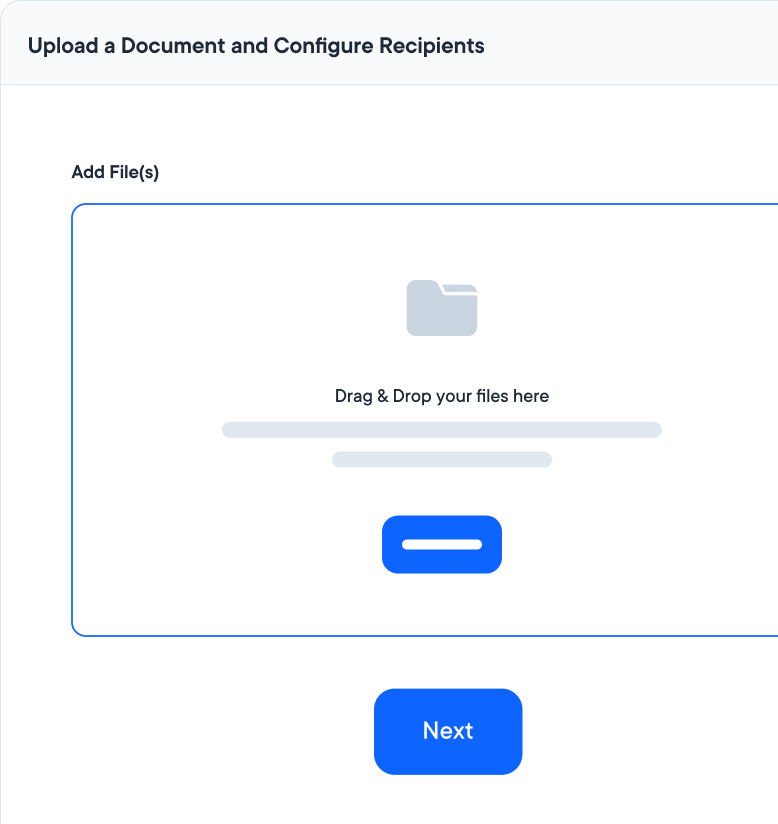
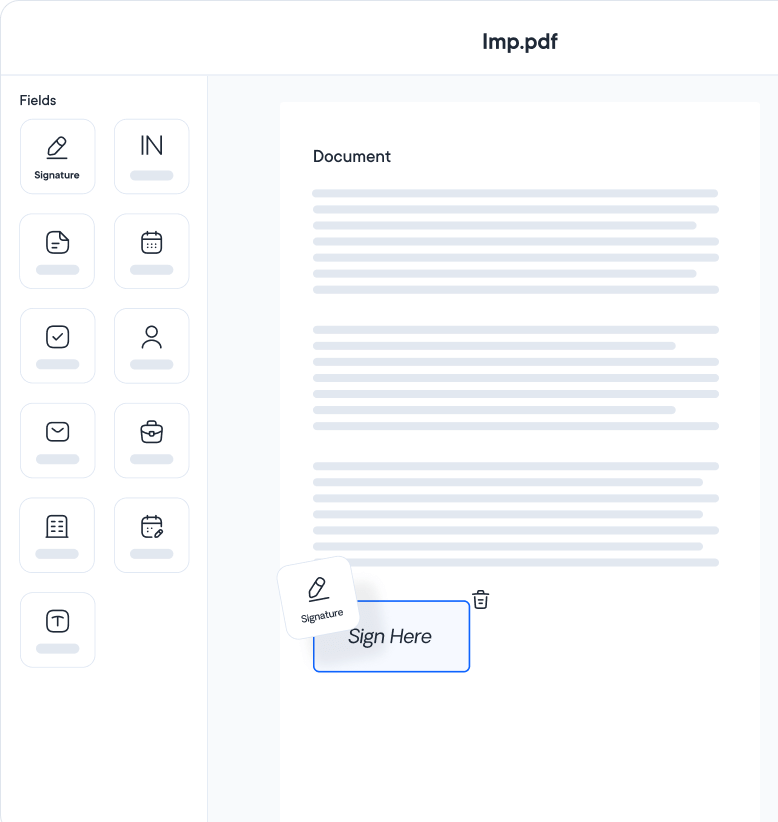
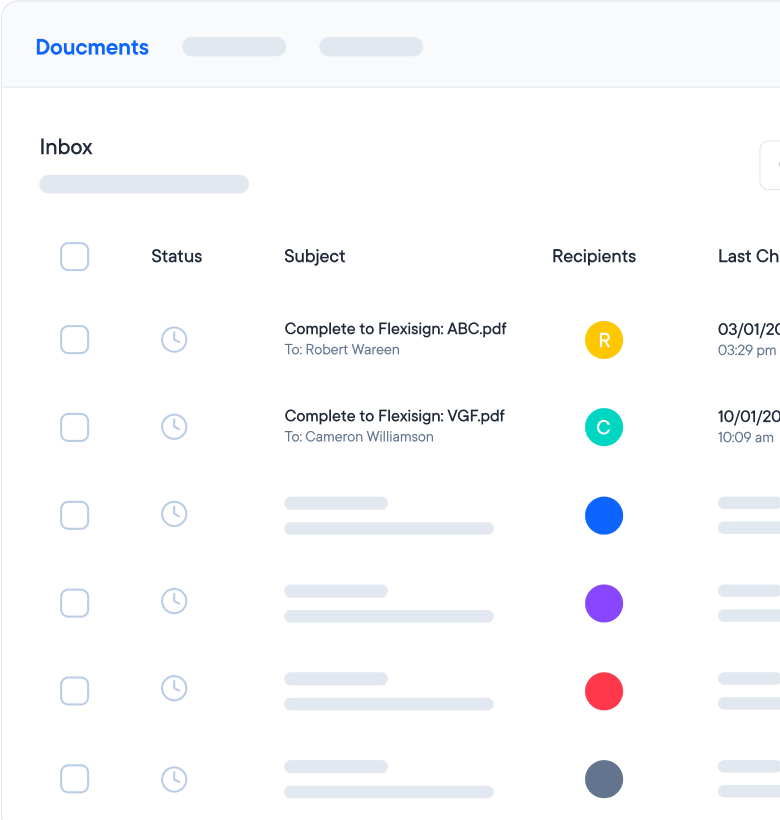
Simplify your e Signature process with these easy steps:
Start by uploading the document you need signed.
Add your signature or send it to others for signing.
Once all signatures are collected, your document is secure and legally binding.
Start streamlining your workflow today with FlexiSign. Secure, efficient, and compliant, FlexiSign is your solution for all electronic signature needs.
Start free trial