
Д°smail Yk Onu Bana Hatд±rlatmayд±n ★ Limited

Faraday Launch Masthead

Д°smail Yk Onu Bana Hatд±rlatmayд±n ★ Limited

Out now on PC

Д°smail Yk Onu Bana Hatд±rlatmayд±n ★ Limited

The Echo of Heartbreak: Analyzing İsmail YK’s "Onu Bana Hatırlatmayın"

What made the song a hit across various demographics was its unapologetic vulnerability. It speaks to the universal human experience of "the ghost of the ex." In a digital age (or even the late-CD era when it was released), reminders are everywhere. İsmail YK taps into the frustration of being unable to escape one’s own memory. The song suggests that healing is not a linear process but a defensive battle where silence is often the only sanctuary. Conclusion Д°smail Yk Onu Bana HatД±rlatmayД±n

The core of the song lies in its title—a plea for collective amnesia. The lyrics describe a protagonist who is physically and emotionally exhausted by the presence of a former lover in their mind. By telling others "not to remind" him, the narrator reveals a fragile state of recovery. This isn't a song about peaceful moving on; it is about the "active avoidance" required when a wound is still fresh. The repetition of the phrase acts as a shield against the pain that accompanies every mention of the person’s name. Emotional Extremity and Musicality The Echo of Heartbreak: Analyzing İsmail YK’s "Onu


Relive history, or redefine it

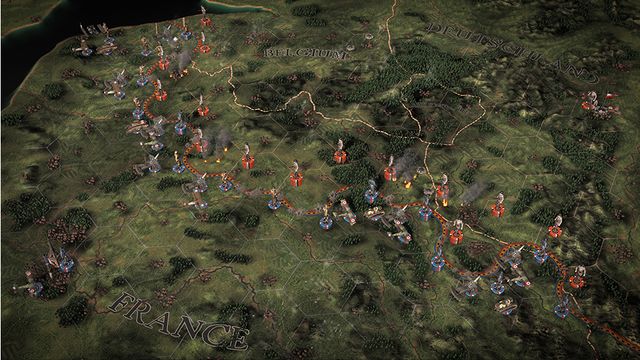
Play a deciding role in history with this real-time tactical experience as you take charge in the iconic Western Front from 1914 to 1919. Pick your faction and lead your forces to victory.

The Echo of Heartbreak: Analyzing İsmail YK’s "Onu Bana Hatırlatmayın"

What made the song a hit across various demographics was its unapologetic vulnerability. It speaks to the universal human experience of "the ghost of the ex." In a digital age (or even the late-CD era when it was released), reminders are everywhere. İsmail YK taps into the frustration of being unable to escape one’s own memory. The song suggests that healing is not a linear process but a defensive battle where silence is often the only sanctuary. Conclusion

The core of the song lies in its title—a plea for collective amnesia. The lyrics describe a protagonist who is physically and emotionally exhausted by the presence of a former lover in their mind. By telling others "not to remind" him, the narrator reveals a fragile state of recovery. This isn't a song about peaceful moving on; it is about the "active avoidance" required when a wound is still fresh. The repetition of the phrase acts as a shield against the pain that accompanies every mention of the person’s name. Emotional Extremity and Musicality

Faraday Launch CTA

Relive history, or redefine it

Steam Epic
Д°smail Yk Onu Bana HatД±rlatmayД±n

Stay Connected

Close Sidebar Close